


Remote work has become a common practice in some industries. During the pandemic, it was widely adopted to manage the risks of disease transmission. As the world now faces an energy crisis, work-from-home arrangements are again being considered by some countries as a way to reduce fuel consumption.
While remote work allows for greater autonomy, convenience, and continuity during times of crisis, it also presents challenges. The experience of isolation, along with the technical requirements of working remotely, can affect employees in different ways.
Building on these concerns, a study by Dr. Myra D. Oruga, Professor and Program Chair of the Master of International Health at the University of the Philippines Open University (UPOU); Jessica Mae D. Viray-Inciong, Social Insurance Assistant at PhilHealth; and Dr. Laili Rahayuwati, Professor at the Faculty of Nursing, Universitas Padjadjaran, examined how stressed and anxious government employees felt while working remotely. The study also explored whether demographic factors—such as age, gender, and family status—were associated with these psychological outcomes.
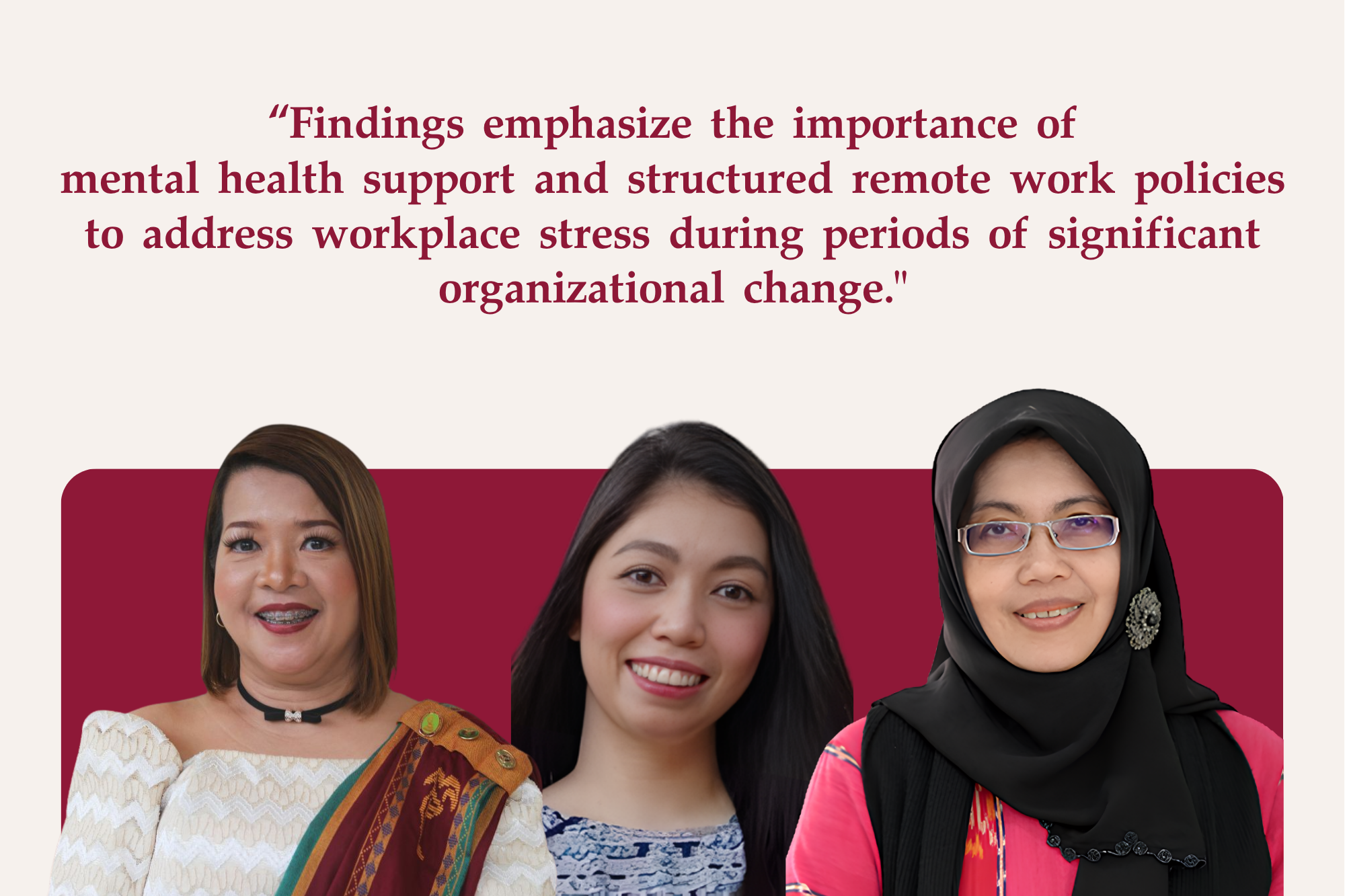
Authors (L–R): Dr. Myra D. Oruga, Jessica Mae D. Viray-Inciong, and Dr. Laili Rahayuwati.
To achieve this, the study conducted an online survey using a stratified sample of 257 employees working remotely from 11 selected offices of PhilHealth in the National Capital Region (NCR) of the Philippines. Of these, 173 employees participated in the study. Most of the participants were married women in their 30s. Many were working in entry-level or casual roles.
To assess psychological well-being, the researchers used two widely recognized tools: the Perceived Stress Scale (PSS-10) and the Generalized Anxiety Disorder Assessment (GAD-7). These instruments enabled participants to self-report their levels of stress and anxiety, providing a nuanced understanding of their lived experiences.
Most participants reported moderate stress (96.32%), with only a small share experiencing high stress. In terms of anxiety, nearly half had mild symptoms (49.69%), while around 40.49% reported little to none. Only a few fell within the moderate to severe range. As the authors explained, the “moderate perceived stress” is common among government employees due to “workload pressures and institutional expectations.”
class=”wp-elements-6a8f07e015c59″
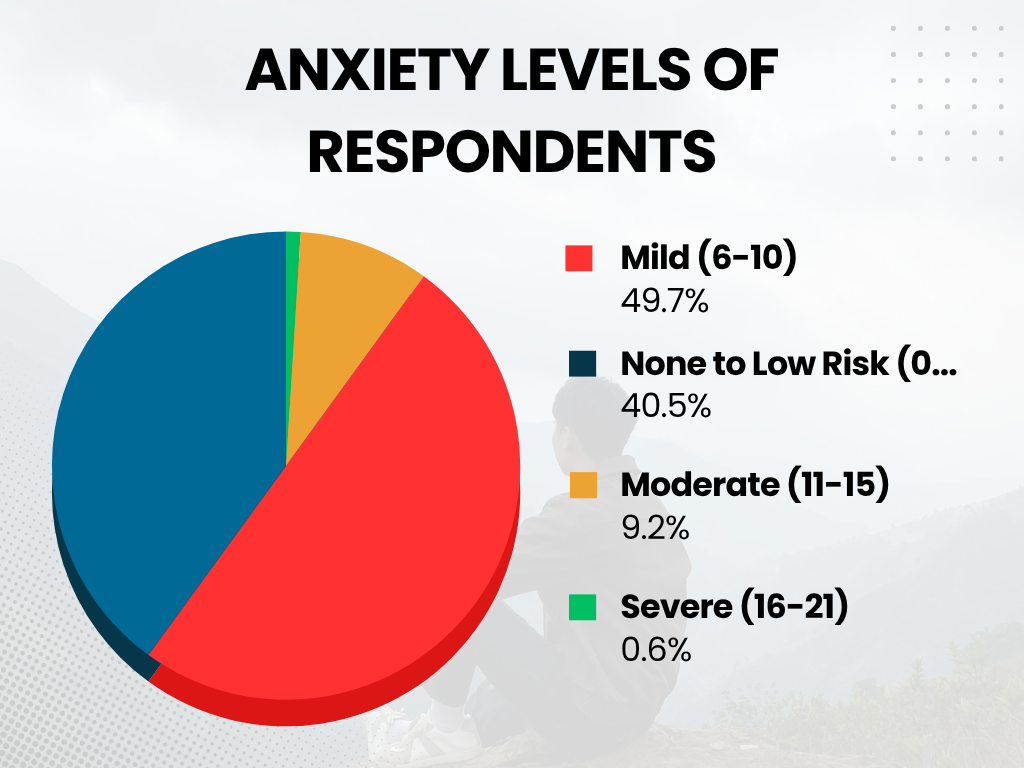
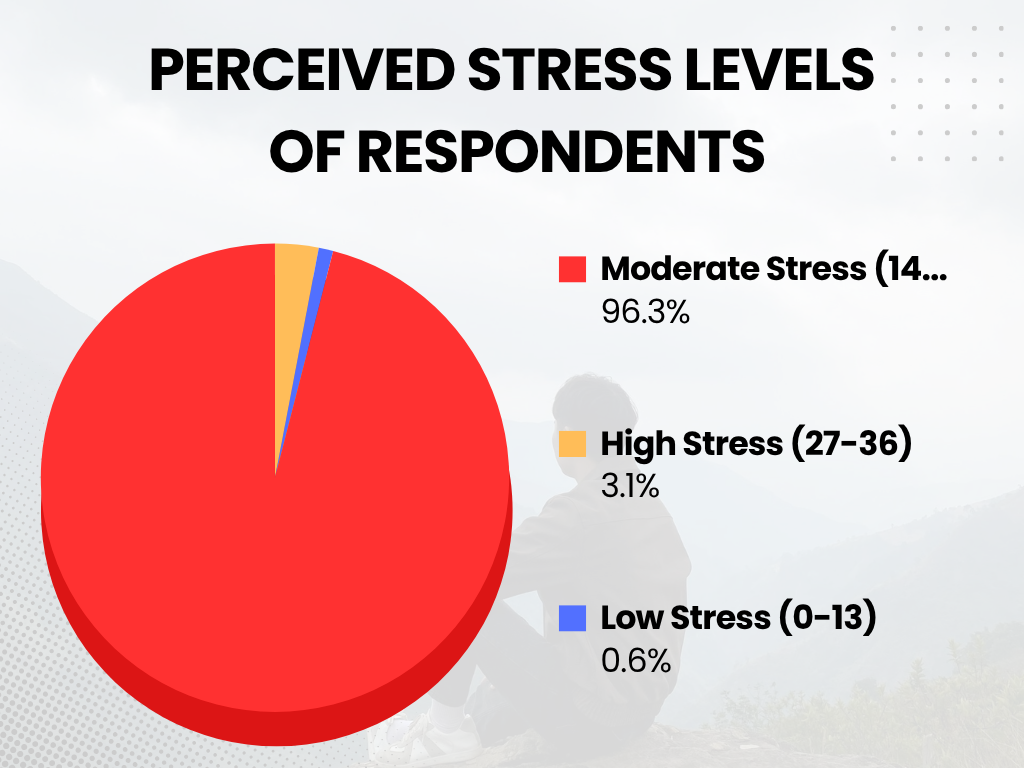
The researchers also examined whether age and marital status were associated with stress, and whether gender and income were linked with anxiety. No significant relationships were found. This suggests that, for this group, background characteristics did not meaningfully affect reported stress or anxiety levels.
Overall, the study suggests that people’s current circumstances may matter more than personal traits in shaping how they respond psychologically. Such circumstances include higher job demands, technological challenges, and blurred work–life boundaries.
For government employees used to working directly with co-workers and clients, the shift to remote work can increase feelings of isolation. To address this, the authors recommend clear communication, better access to technology, and stronger virtual social connections.
As the authors concluded, “Findings emphasize the importance of mental health support and structured remote work policies to address workplace stress during periods of significant organizational change.”
As remote work continues to evolve, these findings highlight the need to design human resource systems that not only sustain productivity but also nurture employee well-being through intentional support and care.
Written by Primo Garcia | Visual layout by Marinela Hernandez