


“When roads are blocked and relief goods have yet to arrive, the food that can save lives may already be growing nearby.”
In disaster-stricken communities, survival often depends on what is immediately available. After Typhoon Haiyan devastated Ormoc City in 2013 and a 6.5-magnitude earthquake struck in 2017, many residents faced delays in relief operations due to damaged roads and isolated communities.
This May, in celebration of International Biodiversity Month, we highlight a study co-authored by Patricia Anne G. Nazareno, Ricardo Bagarinao, Inocencio Buot Jr, and Cindy G. Ochavillo. Dr. Bagarinao is a Professor at the Faculty of Education and serves as Assistant to the Chancellor for Sustainability at the University of the Philippines Open University (UPOU). Dr. Buot is a retired professor from the Institute of Biological Sciences at the University of the Philippines Los Baños and a former dean of the UPOU Faculty of Management and Development Studies.
The Philippines is highly vulnerable to natural hazards, experiencing frequent typhoons, earthquakes, and other disasters. In the aftermath of these calamities, affected communities often depend heavily on external aid for survival. However, relief operations can take time, especially in remote and heavily damaged areas. The study emphasizes that food security during disasters should not rely solely on outside assistance. Instead, communities can strengthen their resilience by recognizing and protecting local food sources already present in their environment.
Researchers identified 15 species of wild edible plants in Ormoc City, many of which are found in forests, farms, and upland areas. These plants are not merely emergency food substitutes, they are rich in nutrients essential for health and survival.

Melastoma malabathricum or “apitngaw” or “malatungaw” (Photo courtesy of Socfindo Foundation)
Among the most notable species was Melastoma malabathricum which contained high levels of calcium, magnesium, and manganese, minerals important for strong bones, muscle function, and overall health. The plant was also found to have high vitamin C content, helping support immunity during stressful and resource-limited situations.
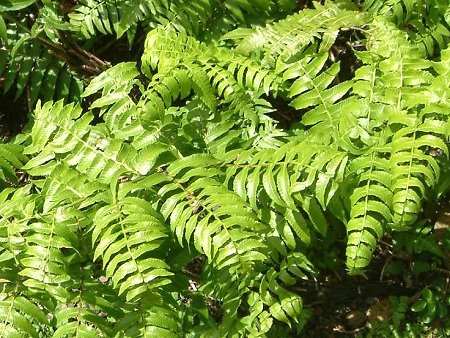
Diplazium esculentum or “pako” (Photo courtesy of ResearchGate)
Meanwhile, Diplazium esculentum or “pako,” a wild fern commonly eaten as a vegetable, stood out for its high iron, copper, and zinc content. These nutrients are important in maintaining healthy blood circulation and supporting the immune system.
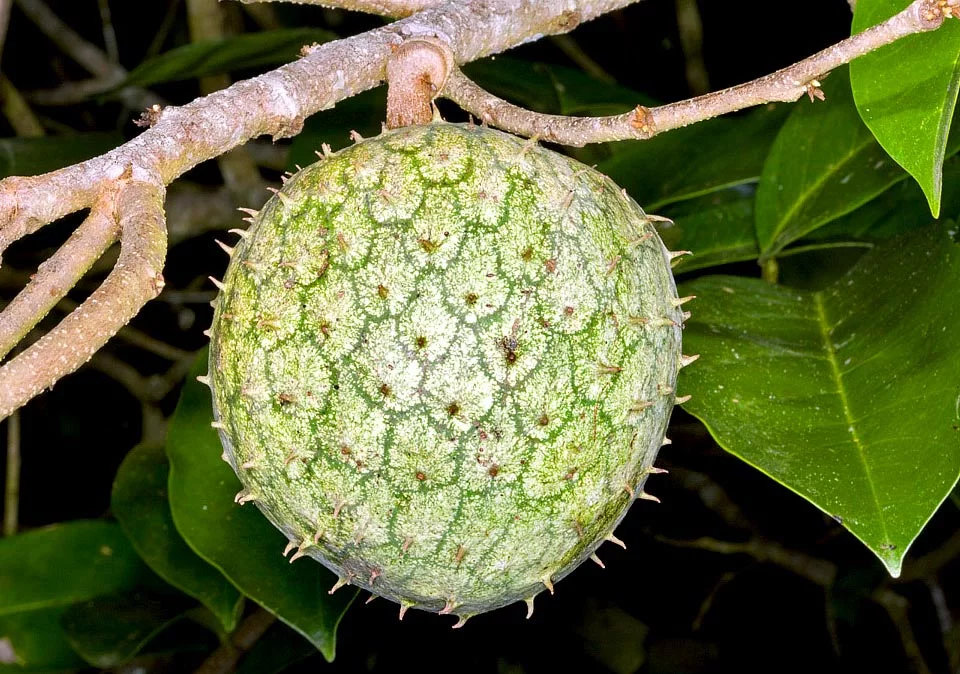
Annona montana or “wild guyabano” (Photo courtesy of Monaco Research Encyclopedia)
Wild fruits such as Annona montana, Rubus fraxinifolius, and Melastoma malabathricum were also found to contain significant amounts of vitamin C. Aside from being accessible sources of nourishment, several of these plants are traditionally used for medicinal purposes within local communities.
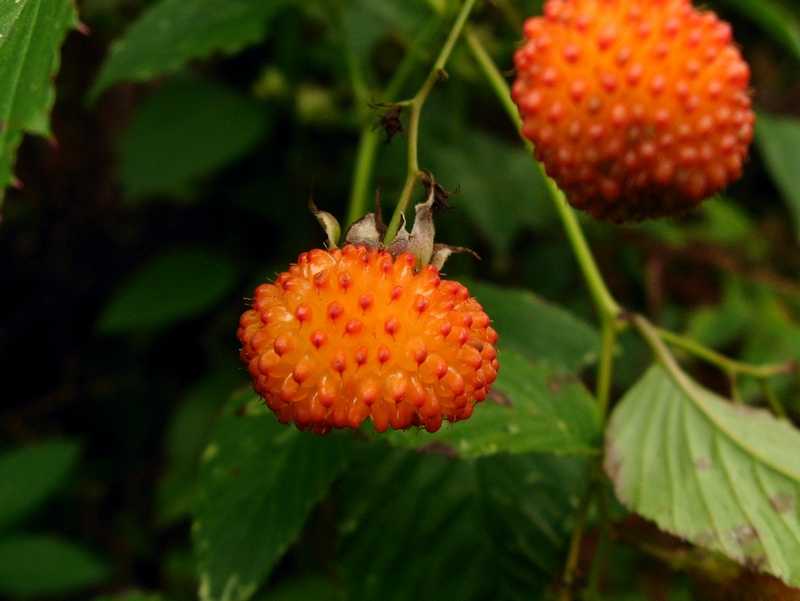
Rubus fraxinifolius or “binit” (Photo courtesy of Biological Library)
Beyond their nutritional value, this highlights a deeper lesson on sustainability and disaster preparedness. In many emergencies, communities are conditioned to wait for relief goods and external assistance. Yet these local food resources demonstrate that resilience can begin within the community itself.
If communities actively protect biodiversity and cultivate knowledge of edible native plants, they become less dependent on delayed food deliveries during disasters. Relief goods or “ayuda” remain important, but they become secondary support rather than the only source of survival. When food is already growing nearby, families can respond more quickly and independently in times of crisis.
The research also calls attention to the importance of conserving local ecosystems. Forests, wetlands, and upland areas are not only habitats for wildlife, they are living food reserves that can sustain communities during emergencies. Protecting biodiversity therefore becomes directly connected to protecting human lives and livelihoods.
As climate change continues to intensify natural disasters, studies like this remind us that sustainability is not only about environmental protection. It is also about building resilient communities capable of adapting, surviving, and thriving using resources rooted in local knowledge and biodiversity.
In the end, resilience may not always arrive in the form of trucks carrying relief goods. Sometimes, it begins with the plants quietly growing in our own surroundings.
Written and visual layout by Marinela Hernandez | Edited by Primo Garcia