
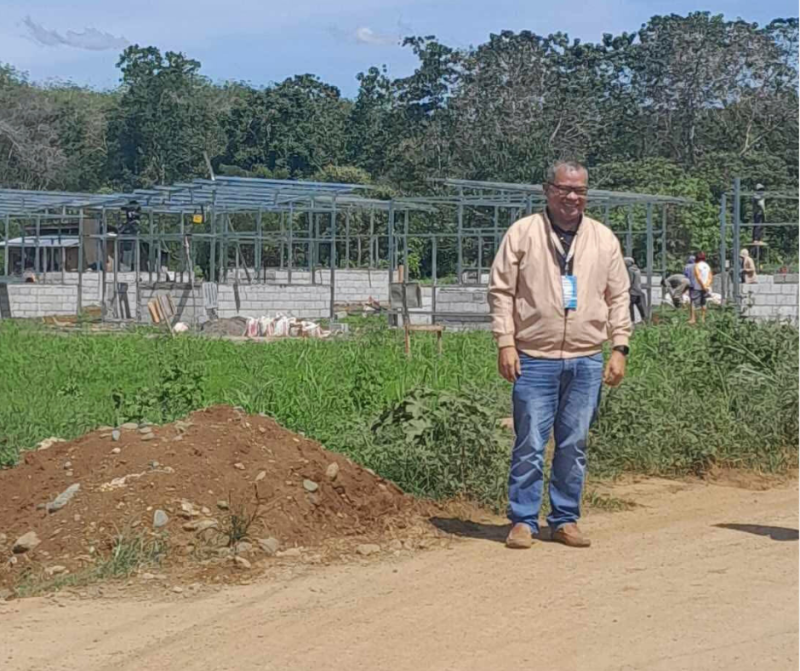
Perfecto Ray D. Bayo, Jr., and the Indigenous Peoples Housing Project at the Daraghuyan Ancestral Domain Community.
For Perfecto Ray D. Bayo, Jr., education was not simply about earning a degree. It was about transforming his circumstances and using that transformation to uplift others.
A proud member of the Indigenous Peoples (IP) of Bukidnon, Ray grew up aware of the barriers faced by marginalized communities. Before completing his UP education, he experienced firsthand the consequences of limited opportunity and social exclusion. “As a member of the Indigenous Peoples (IP) and other marginalized communities, I have experienced firsthand the limited access to opportunities brought about by systemic inequality and social exclusion,” he shares. Without a completed college degree, he struggled to secure stable employment. Even after entering government service as a job-order employee, permanent positions remained beyond reach. “For a long time, this situation left me feeling powerless and uncertain about my future.”
A Second Chance, Taken Seriously
When Ray discovered the University of the Philippines Open University (UPOU), it offered something he had long sought: a second chance.
Returning to school in his forties was not easy. The thought of studying at UP came with doubt. “Returning to school is a challenge for an adult learner, especially since I will be studying at the University of the Philippines,” he says. “I was initially apprehensive, thinking about the university’s high standards and fearing that I might not be able to measure up.”
Yet maturity brought focus. “As an adult learner and a second-chancer, I am now more focused than I was when I was younger. I keep telling myself that this may be my last chance, so I must do my best, because there may not be another opportunity for me.” Balancing government work, academic requirements, and personal responsibilities required discipline. “Each of these is important, and none should be neglected.”
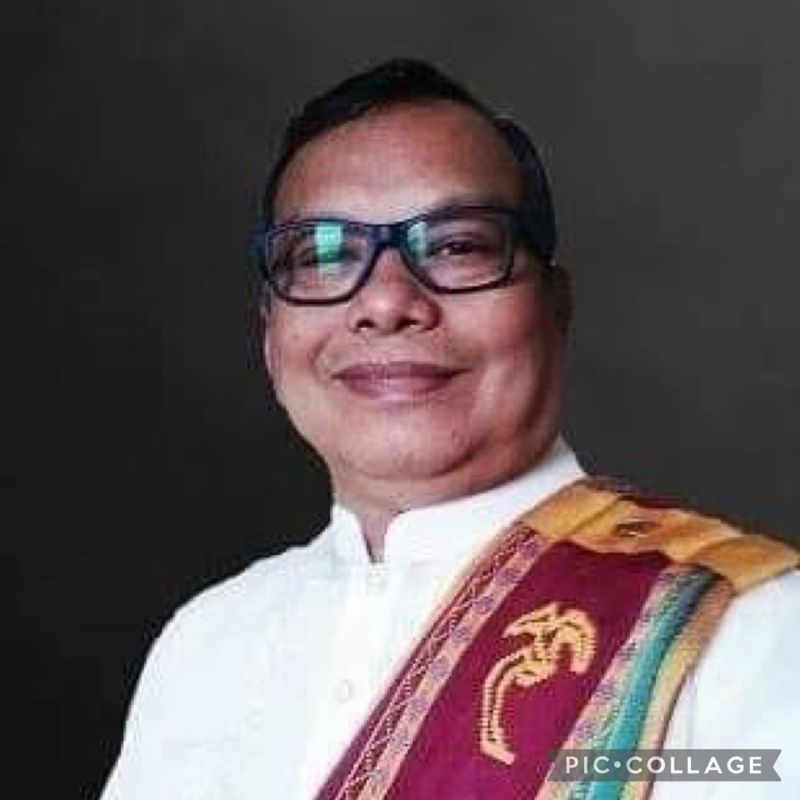
Ray donning the UP sablay.
In 2009, he earned his Associate in Arts degree from UPOU and wore his first UP Sablay. That milestone opened doors. Through ETEEAP, he completed his bachelor’s degree. In 2011, he passed the Career Service Professional Eligibility examination. He was later appointed Project Development Officer IV and became Division Chief of the City Urban Development and Housing Division of Malaybalay City. In 2014, he passed the Environmental Planning Licensure Examination and became a licensed Environmental Planner.
Still committed to strengthening his competence, he returned to UPOU and completed a Diploma in Land Use Planning in 2018 with Exemplary Academic Achievement.
“Through education, I was able to not only improve my own circumstances but also to contribute meaningfully as a competent member of the government workforce, serving both my community and the broader public.”
Planning with Purpose in Ancestral Lands
Ray’s education found its most meaningful expression in service, particularly through the Indigenous Peoples Housing Project within the Daraghuyan Ancestral Domain Community. “The Indigenous Peoples (IP) Housing Project was our first undertaking that included a full housing construction component,” he explains.
The initiative responded directly to the request of the IP community for secure housing within their ancestral domain. Funded by ₱20 million from the National Housing Authority – Region X and matched by counterpart funding from the City Government of Malaybalay, the project marked a significant step in inclusive development. “This project is very close to my heart. It reflects my personal commitment to serve and uplift my own people.”
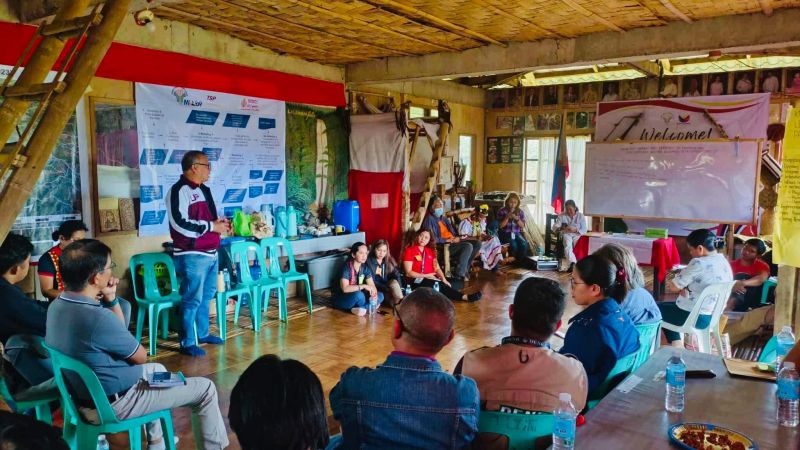
Ray Bayo leads the planning and discussion for the IP community housing project.
As Head Planner and implementing arm of the LGU for socialized housing programs, his office led the entire process—from conceptualization and planning to construction, supervision, monitoring, and evaluation. “My primary role was to harmonize resources, institutions, and people to function effectively toward a shared goal.” The project ensured alignment with national housing standards while respecting the cultural context and aspirations of the IP community.
“The IP beneficiaries now enjoy secure and dignified housing within their ancestral domain, strengthening their sense of tenure, safety, and belonging.”
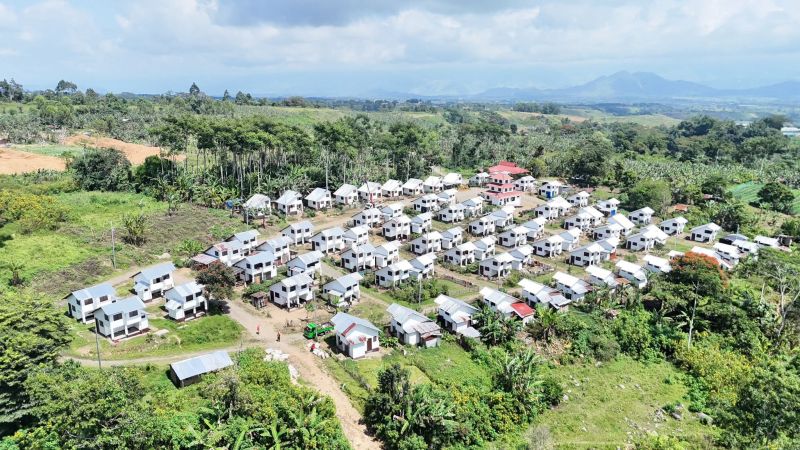
The completed Indigenous Peoples Housing Project within the Daraghuyan Ancestral Domain Community.
Beyond providing shelter, the initiative opened pathways to improved access to services, infrastructure, and socio-economic development, demonstrating how culturally responsive planning can empower communities.
Recognition as Responsibility
In 2025, Ray was named one of the UPOU FMDS Distinguished Alumni Awardees.
“Upon learning that I was selected… I felt deeply grateful and honored,” he says. “UPOU’s alumni community extends far beyond the country and reaches a global scale, and I never imagined that I would be chosen among them.”
For Ray, the recognition carries weight beyond personal achievement. “Being recognized as an Outstanding Alumnus of UPOU is not only a great honor but also a profound responsibility.” He further added, “You are called to exemplify the values of public service, integrity, and accountability that the University stands for.”
A Lifelong Commitment
Ray’s service will not end with retirement.
“Even after my retirement from public service, I will continue to serve as a development planner for Indigenous Peoples.” He envisions expanding his work beyond Malaybalay to the provincial level and continuing to promote lifelong learning among Indigenous communities. “In this continuing journey, I will also serve as an ambassador of UPOU education to Indigenous Peoples, promoting lifelong learning as a powerful tool for empowerment, self-determination, and sustainable development.”
For Ray, education was the turning point, but service is the enduring mission. “To my fellow Indigenous Peoples,” he says, “age and poverty are not barriers to education. Our hardships should inspire us to pursue honor and excellence—para sa bayan.”
And through his work in ancestral lands, that belief continues to take shape—one plan, one home, and one empowered community at a time.
Written by Anna Cañas-Llamas | Edited by Primo G. Garcia | Photos from Perfecto Ray Bayo, Jr.,