
The University of the Philippines Open University (UPOU), as the lead institution of the Consortium of Open Distance Education Providers in the Philippines (CODEPP), conducted CODEPP Elevate 2026: Integrating AI, Strengthening Quality Assurance, and Expanding Reach through MOOCs and Microcredentials on 7-8 July 2026 via Zoom.
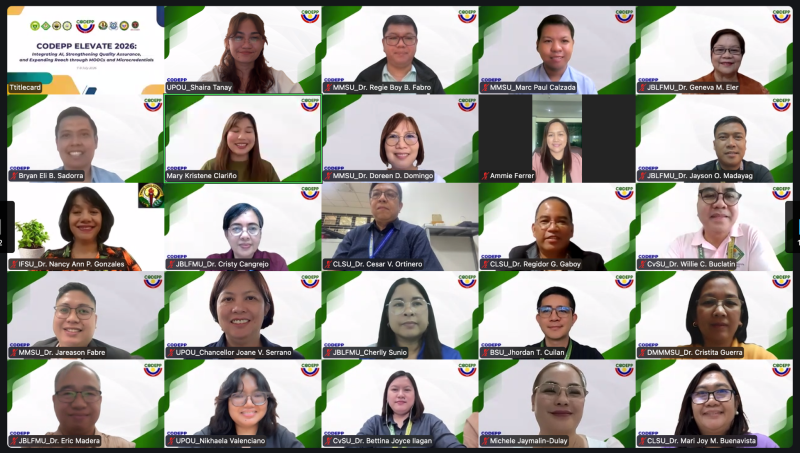
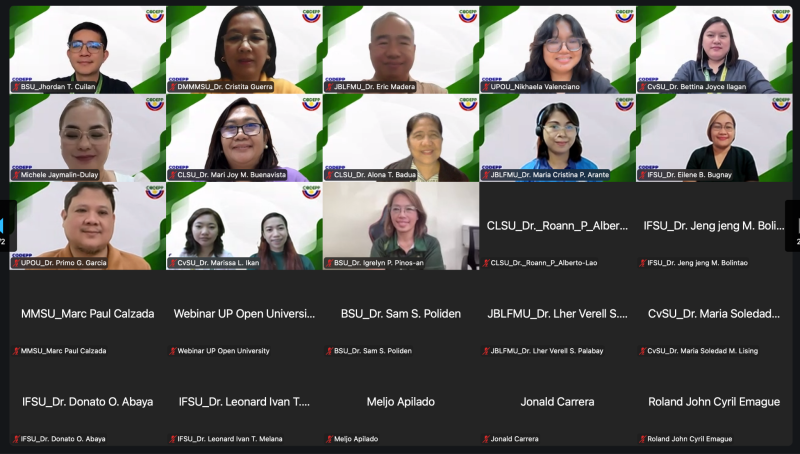
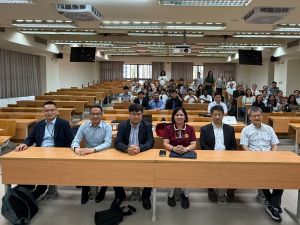
Representatives from CODEPP member institutions participate in CODEPP Elevate 2026, a 1.5-day capability-building workshop on AI, quality assurance, MOOCs, and microcredentials.
The 1.5-day capability-building workshop brought together representatives from CODEPP member institutions to strengthen institutional capacities in open and distance e-learning (ODeL), with sessions focusing on quality assurance and accreditation, artificial intelligence (AI), Massive Open Online Courses (MOOCs), and microcredentials. These universities are Benguet State University (BSU), Cavite State University (CvSU), Central Luzon State University (CLSU), Don Mariano Marcos Memorial State University (DMMMSU), Ifugao State University (IFSU), Mariano Marcos State University (MMSU), and John B. Lacson Foundation Maritime University (JBLFMU).
In her welcome remarks, UPOU Chancellor and CODEPP President Dr. Joane V. Serrano underscored the importance of collaboration among higher education institutions in advancing quality open and distance education. She encouraged participants to use the workshop as a venue for dialogue, knowledge sharing, and the exchange of institutional experiences.
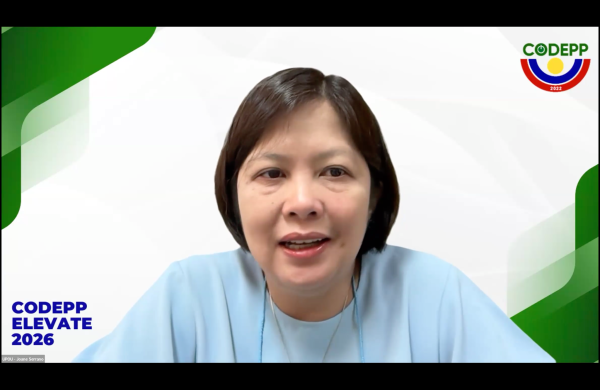
Chancellor Joane V. Serrano delivers the welcome remarks and provides
an overview of CODEPP Elevate 2026.
The first day of the workshop focused on quality assurance and accreditation readiness. Dr. Ethel Agnes Pascua-Valenzuela opened the technical sessions with The Roadmap to ODeL Recognition, discussing pathways toward the recognition and accreditation of distance education programs in the Philippines.
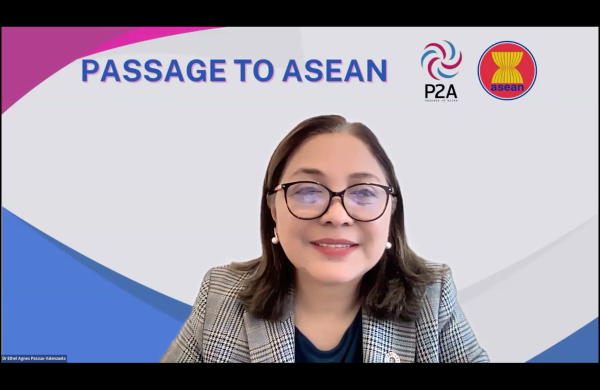
Dr. Ethel Agnes Pascua-Valenzuela discusses pathways toward the recognition and accreditation of open and distance education programs during her session, The Roadmap to ODeL Recognition.
This was followed by a prerecorded presentation from Dr. Melinda dela Peña Bandalaria on Global Benchmarks in ODeL Excellence, where she examined international quality assurance frameworks and best practices adopted by open universities.
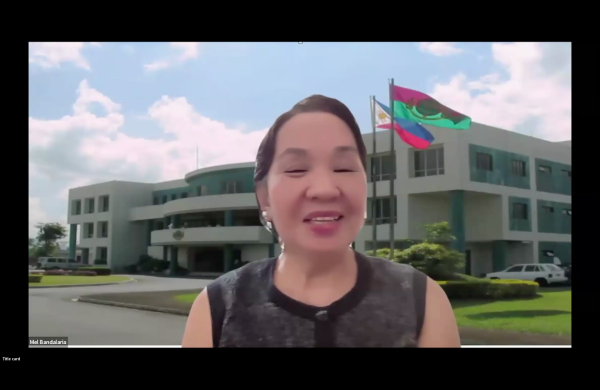
Participants attend the prerecorded presentation of Dr. Melinda dela Peña Bandalaria on global benchmarks and quality assurance in open and distance e-learning.
Completing the morning sessions, Asst Prof. Ria Valerie D. Cabanes discussed the Asian Association of Open Universities (AAOU) and ASEAN University Network-Quality Assurance (AUN-QA) frameworks and shared practical approaches to preparing institutional portfolios of evidence for accreditation.
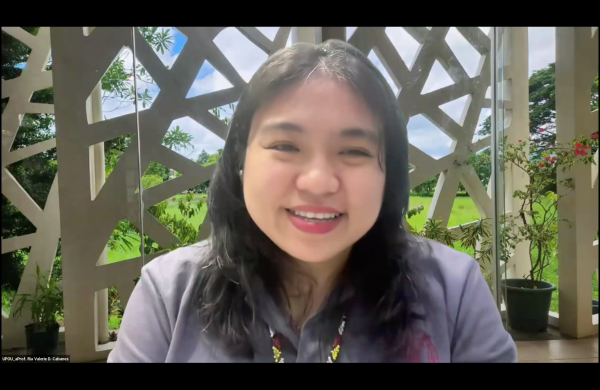
Asst. Prof. Ria Valerie D. Cabanes explains the AAOU and AUN-QA quality assurance frameworks and shares practical approaches to preparing institutional portfolios of evidence for accreditation.
The afternoon sessions focused on the integration of artificial intelligence (AI) in open and distance e-learning. Dr. Reinald Adrian D. Pugoy presented AI-Powered Teaching and Learning in ODeL, where he discussed the use of AI tools to support instructional design, learning activities, and learner engagement in online learning environments.
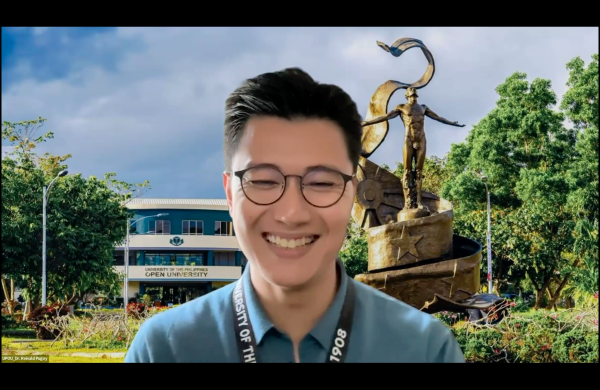
Dr. Reinald Adrian D. Pugoy demonstrates practical applications of artificial intelligence in
teaching and learning during his session on AI-powered ODeL.
This was followed by Dr. Juvy Lizette M. Gervacio’s session, Authentic Assessment in the Age of Generative AI, which examined approaches to designing authentic assessments that promote higher-order thinking while maintaining academic integrity. She also discussed considerations for developing AI use policies and integrating generative AI into teaching and assessment practices.
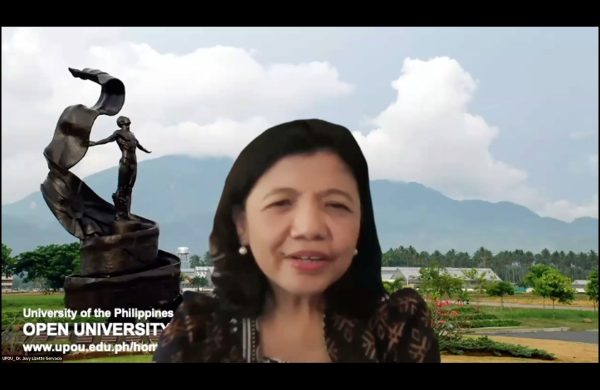
Dr. Juvy Lizette M. Gervacio presents strategies for designing authentic assessments that
promote critical thinking and uphold academic integrity in the age of generative AI.
On the second day, discussions centered on MOOCs and microcredentials as approaches to expanding access to lifelong learning. Dr. Primo G. Garcia presented UPOU’s experience in developing its microcredentials ecosystem, outlining the University’s roadmap for creating flexible and stackable learning pathways.
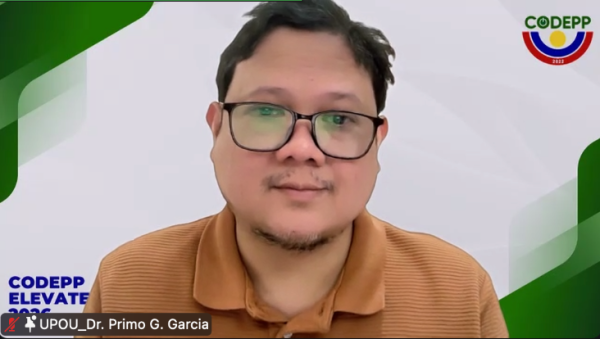
Dr. Primo G. Garcia shares UPOU’s experience in developing its microcredentials ecosystem
and outlines the University’s roadmap for stackable learning pathways.
Chancellor Serrano followed with a presentation on UPOU’s experience in developing MOOCs, highlighting how open online courses can extend institutional reach and support lifelong learning by making university learning opportunities accessible to a wider audience.
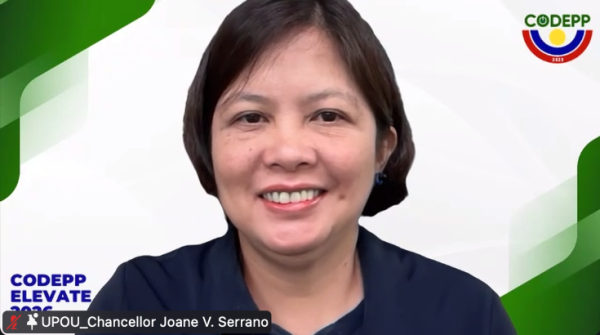
Chancellor Joane V. Serrano highlights UPOU’s experience in developing MOOCs and discusses their role in expanding access to lifelong learning.
Open forum sessions followed each thematic segment of the workshop. Asst. Prof. Mary Kristene D. Clariño moderated the discussion on Quality Assurance and Accreditation Readiness, Asst. Prof. Katrina Joy M. Abriol-Santos facilitated the forum on AI and Interactive Tools, and Ms. Nikhaela E. Valenciano moderated the discussion on MOOCs and Microcredentials. These sessions provided participants with opportunities to engage with the resource persons, exchange institutional experiences, and discuss issues related to accreditation readiness, AI integration, assessment design, MOOCs, and microcredentials.
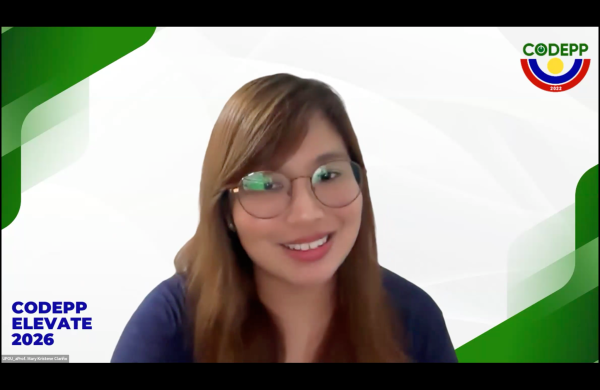
Asst. Prof. Mary Kristene D. Clariño hosts the two-day workshop and moderates the open forum on Quality Assurance and Accreditation Readiness.
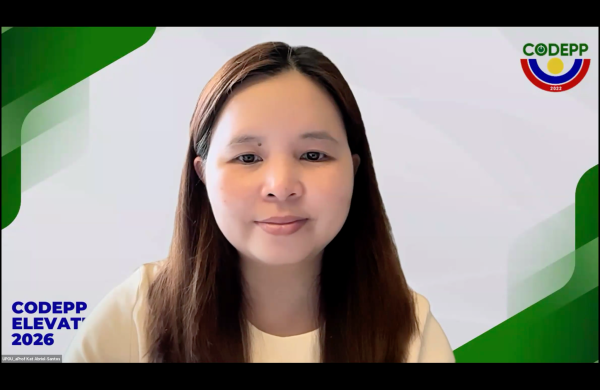
Asst. Prof. Katrina Joy M. Abriol-Santos facilitates the open forum on AI and Interactive Tools
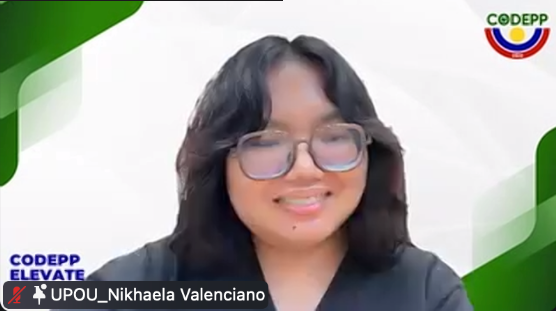
Ms. Nikhaela E. Valenciano moderates the discussion on MOOCs and Microcredentials.
To reinforce the learning sessions, Asst. Prof. Shaira F. Tanay, Program Development Associate for CODEPP and training coordinator for CODEPP Elevate 2026, facilitated the orientation for the workshop activities. Participants will complete the activities asynchronously through the EXTEND Learning Management System (LMS), UPOU’s official platform for the workshop.
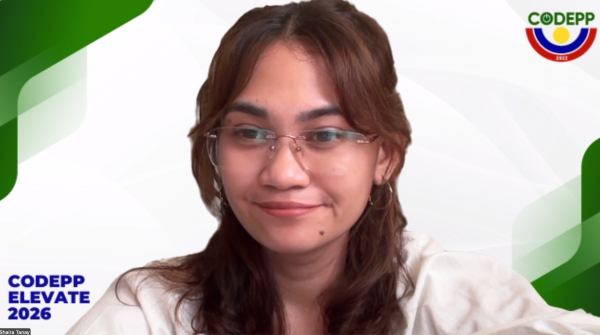
Asst. Prof. Shaira F. Tanay orients participants on the workshop activities and guides them
through the asynchronous outputs to be completed via the EXTEND Learning Management System.
CODEPP Elevate 2026 concluded with a renewed commitment among member institutions to strengthen open and distance e-learning through collaboration, innovation, and continuous capacity building. The consortium will continue these discussions during the third quarter CODEPP Meeting on 10 August 2026, where member institutions are expected to share updates and sustain collaborative efforts toward advancing quality, accessible, and future-ready open and distance education in the Philippines.
Written by Shaira Tanay | Edited by Joane V. Serrano and Anna Cañas-Llamas