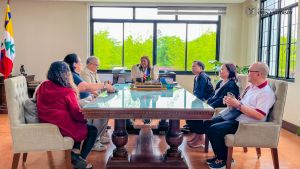

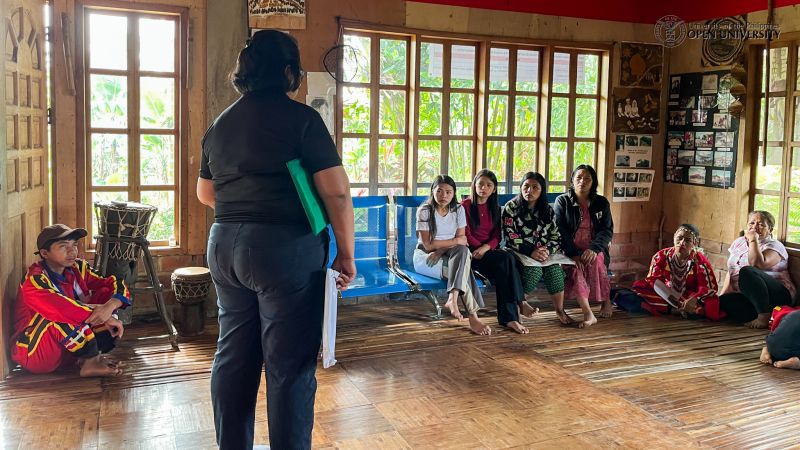
Dean Reyes shared the educational opportunities available to Daraghuyan tribe members at UPOU.
Access to education remains a challenge for many indigenous communities in the Philippines. In response, the University of the Philippines Open University (UPOU) visited the Daraghuyan Ancestral Domain in Malaybalay City, Bukidnon, on 22–23 June 2026 to lay the groundwork for a partnership that will expand learning opportunities, strengthen livelihoods, and help preserve indigenous knowledge.
The UPOU delegation was led by Faculty of Education Dean Dr. Charisse T. Reyes, together with Dr. Myra C. Almodiel of the Faculty of Information and Communication Studies, Asst. Prof. Ma. Carolina Bello and Asst. Prof. Edmerson Z. Calungsod of the Faculty of Management and Development Studies, and Ms. Anna Cañas-Llamas from the Office of Public Affairs.
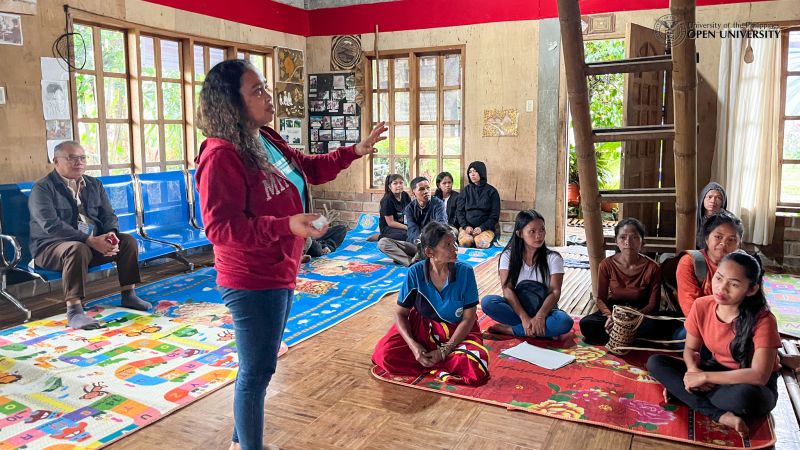
Asst. Prof. Bello engages with Daraghuyan youth during the training needs assessment.
A key component of the visit was a training needs assessment among members of the tribe, particularly young people who had discontinued their education after Grade 12. Many shared that the distance to the nearest colleges, coupled with financial constraints and the need to help support their families, made pursuing higher education difficult.
To ensure that future learning programs are responsive to the community’s realities, the UPOU team assessed participants’ English proficiency and digital literacy skills. The results will guide the development of customized learning interventions that can be delivered directly within the community through the UPOU’s flexible mode of learning.
UPOU also plans to offer entrepreneurship training through the Faculty of Management and Development Studies to help create sustainable livelihood opportunities. The courses will build on the community’s existing strengths, particularly in abaca production and vegetable farming, enabling residents to develop skills that support both economic resilience and local enterprise.
Dean Reyes also expressed her commitment to helping the community establish a daycare center so that young children can begin their education closer to home instead of walking approximately 45 minutes each way to the nearest school.
To provide greater access to educational resources, UPOU turned over 10 sets of personal computers donated through the Concentrix Philippines–UPOU Barangay Digital Transformation Project. The computers were formally received by Bai Inatlawan Adelia Tarino, Chieftain of the Daraghuyan Tribe and a member of the Kitanglad Council of Elders, on behalf of the community. The donation will support future training programs and provide learners with access to digital technologies essential for education in the modern age.
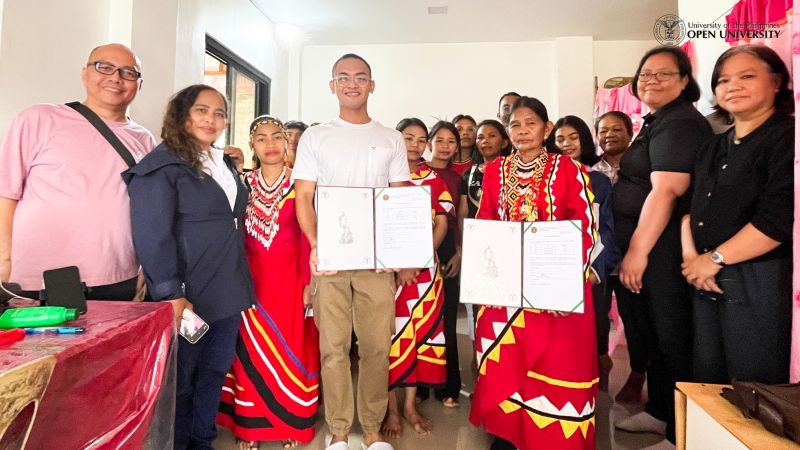
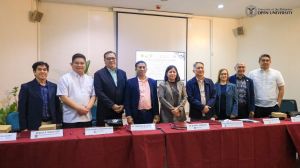
(L–R) Asst. Prof. Agapito, Asst. Prof. Bello, Asst. Prof. Calungsod, Bai Inatlawan Adelia Tarino, Dean Reyes, and Dr. Almodiel join members of the Daraghuyan Tribe during the turnover of the computer sets.
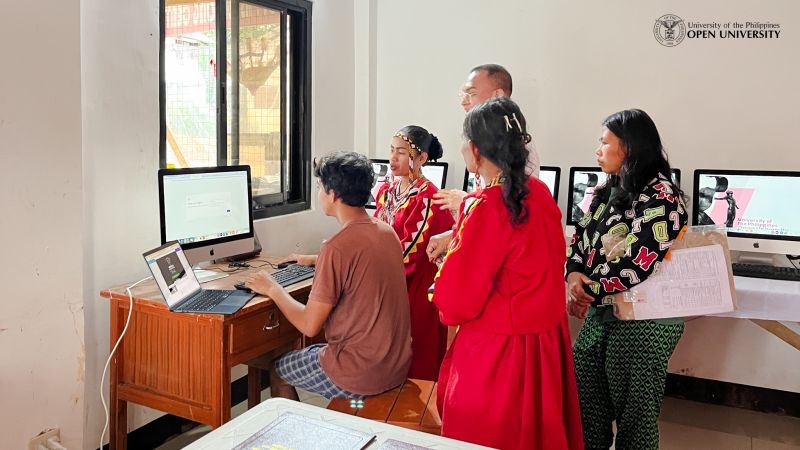
A young member of the Daraghuyan Tribe explores one of the newly donated computer units.
Alongside its educational initiatives, UPOU is documenting the Daraghuyan Tribe’s indigenous knowledge, cultural practices, and oral traditions through field interviews and video documentation. This effort seeks to preserve the community’s rich cultural heritage while ensuring that traditional knowledge, often transmitted orally across generations, is safeguarded and made accessible for future generations without losing its cultural integrity.
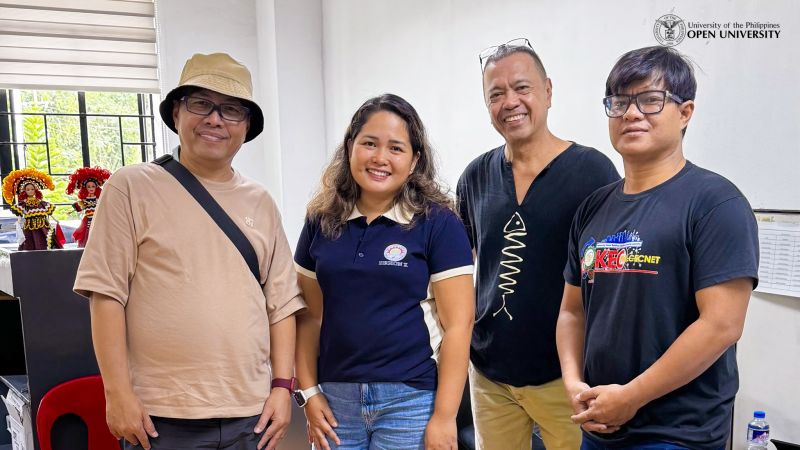
Asst. Prof. Agapito and his team with Ms. Stephanie Melendez of the Malaybalay City Indigenous Affairs Division.
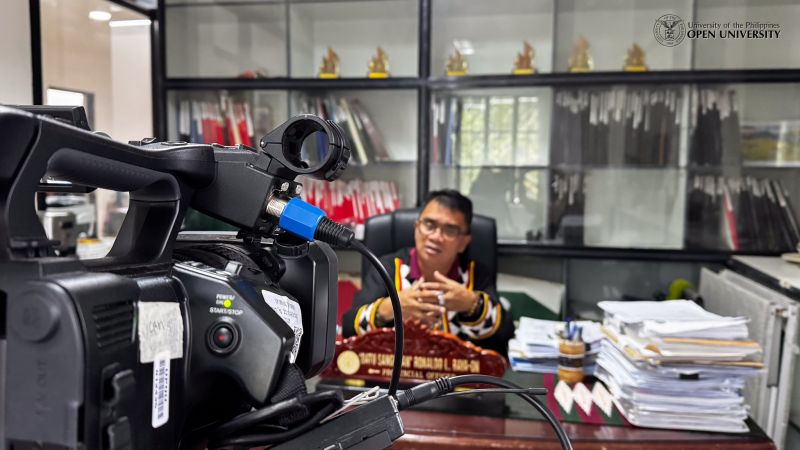
The CODTL-EMP team interviews NCIP Bukidnon Provincial Officer Datu Sangkuan Ronaldo L. Baya-on.
The visit reflects UPOU’s commitment to making quality education more accessible to underserved communities through innovative and community-responsive learning. By combining digital access, skills development, and the preservation of indigenous knowledge, UPOU is working with the Daraghuyan community to create opportunities that honor their culture while empowering present and future generations.
As the partnership grows, the university also looks forward to collaborating with the City Government of Malaybalay and other stakeholders to expand educational opportunities and foster inclusive, sustainable development in the community.
Written by Anna Cañas-Llamas | Edited by Primo G. Garcia | Photos by Anna Cañas-Llamas and Benigno Agapito, Jr.